


Overview

A Versatile Technology Platform
Designed with a purpose
Recce’s New Classes of Synthetic Anti-infectives are designed to address the urgent global health threat posed by antibiotic-resistant superbugs
Recce Pharmaceuticals continues to strengthen and expand their product pipeline in order to find a treatment for ‘difficult to treat’ bacterial and viral infections.
RECCE® 529
A synthetic anti-infective formulated for viral use.
RECCE® 327
A fast-acting, broad-spectrum anti-infective effective against Gram-positive and Gram-negative bacteria, including
their resistant forms.
RECCE® 435
A broad spectrum synthetic polymer antimicrobial formulated for oral use.
Which Bacteria has R327
demonstrated capability against?

Clostridioides difficile

Helicobacter pylori

Streptococcus pyogenes

Neisseria gonorrhoeae

Escherichia coli

Enterococcus faecium

Staphylococcus aureus

Klebsiella pneumoniae
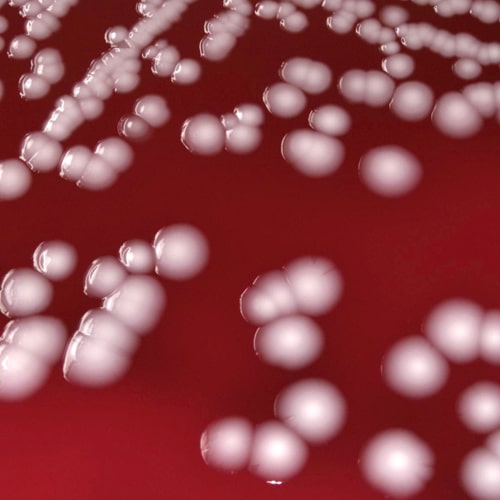
Acinetobacter baumannii

Pseudomonas aeruginosa
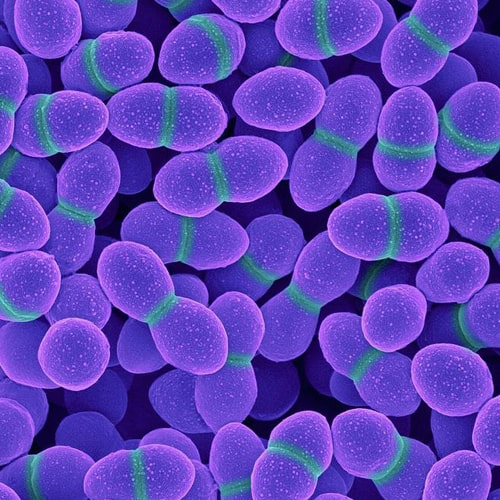
Enterobacter species
E
S
K
A
P
E
R327 - Bacterial Infections
There is a historic lack of innovation in the antibiotic drug development field to address this growing need for effective antibiotics. R327 is one of the first new classes of anti-infectives in over 40 years with a universal mechanism of action that allows its compounds to continuously kill bacteria and multidrug-resistant superbugs. All RECCE® compounds are 100% water soluble at all pH levels.
ESKAPE Pathogens
Dubbed ESKAPE for their propensity for ‘escaping’ the biocidal action of antibiotics, the acronym stands for six different commonly found multidrug-resistant pathogens: Enterococcus faecium (E. faecium), Staphylococcus aureus (S. aureus), Klebsiella pneumoniae (K. pneumoniae), Acinetobacter baumannii (A. baumannii), Pseudomonas aeruginosa (P. aeruginosa) and Enterobacter species.